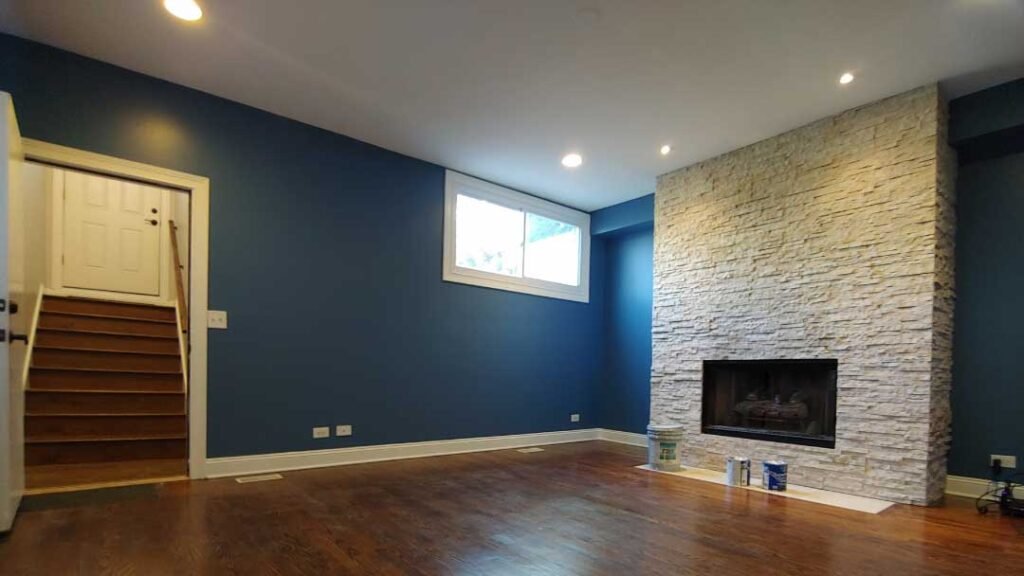
Painting design in 2026 is no longer just about applying color to walls. It is about creating functional, visually balanced, and long-lasting spaces. Homeowners and businesses are now focusing on designs that combine aesthetics with durability, while also avoiding costly mistakes. This guide explains what works, what doesn’t, and how to make the right painting decisions based on real needs rather than temporary trends.
Why Painting Design Matters More in 2026
Modern interiors rely heavily on paint to define mood, space, and usability. The right design can make a small room feel larger, improve lighting reflection, and even influence productivity. Poor choices, on the other hand, can lead to frequent repainting, higher maintenance, and dissatisfaction.
Painting is now considered a strategic investment rather than a simple finishing step. This shift makes it important to understand both design trends and practical limitations before making decisions.
Top Painting Design Trends in 2026
Minimalist neutral palettes combined with bold accents continue to dominate. These designs offer flexibility and long-term usability, but they can appear dull if not balanced properly. Adding a controlled accent wall helps maintain visual interest without overwhelming the space.
Textured and 3D wall finishes are gaining popularity for their premium appearance. However, they require skilled application and can be harder to maintain, especially in high-traffic areas.
Nature-inspired tones such as earthy greens, warm browns, and soft beiges are preferred for their calming effect. While they provide long-term appeal, they may limit contrast options if not paired thoughtfully.
Geometric and statement walls are still trending but come with the risk of going out of style quickly. These designs work best when used sparingly rather than across entire spaces.
The Hidden Pros and Cons of Popular Painting Styles
Matte finishes provide a smooth and modern look but are more prone to stains and harder to clean. Gloss and satin finishes are more durable and easier to maintain, though they highlight surface imperfections.
Light colors make rooms feel larger and brighter, but they may require more frequent cleaning. Dark colors add depth and sophistication but can make small spaces feel confined if overused.
DIY painting may reduce upfront costs, but it often lacks the precision and durability of professional work. Complex designs, textures, and large-scale projects typically require experienced handling to achieve consistent results.
Common Painting Mistakes and How to Avoid Them
One of the most common mistakes is selecting colors without testing them in the actual space. Lighting conditions can significantly change how a color appears. Testing samples on walls before final application helps prevent dissatisfaction.
Another issue is blindly following trends without considering long-term usability. A balanced approach, such as combining timeless base colors with limited trendy elements, reduces the risk of regret.
Ignoring the function of a room often leads to poor results. High-traffic areas require durable and washable paints, while bedrooms benefit from softer and calming tones.
Skipping proper surface preparation can lead to peeling, uneven finishes, and reduced lifespan. Cleaning, repairing, and priming surfaces is essential for achieving quality results.
Budget vs Premium | What Should You Choose
Not every part of a space requires premium finishes. Simple walls and low-impact areas can be done using cost-effective options without compromising overall design.
Investment should be focused on areas that receive the most attention or wear, such as living rooms, kitchens, and accent walls. Durable paints in these areas reduce long-term maintenance costs.
Balancing cost and quality ensures that the final outcome looks refined without unnecessary overspending. Short-term savings often lead to higher costs if repainting is required frequently.
Best Painting Design Ideas by Room
Living rooms benefit from balanced designs that combine neutral tones with a single focal wall. This approach creates depth without overwhelming the space.
Bedrooms require softer palettes that promote relaxation. Subtle shades and minimal contrast work best for maintaining a calm environment.
Kitchens demand practical solutions. Washable paints and light-reflective colors improve cleanliness and brightness.
Office spaces should focus on productivity. Colors like muted blues and greens help create a focused and comfortable atmosphere.
Climate and Durability Considerations
Environmental factors play a major role in paint performance. Humidity can cause peeling and mold growth, while excessive heat can lead to fading and cracking.
Using weather-resistant, waterproof, and anti-mold paints helps extend the life of painted surfaces. Proper ventilation and surface preparation further improve durability.
Ignoring climate conditions often results in frequent repairs and additional costs, making this one of the most critical factors in painting decisions.
DIY vs Professional Painting
DIY painting is suitable for small and simple projects where precision is not critical. It allows flexibility but requires time, effort, and basic skills.
For larger areas, textured finishes, or complex designs, professional services provide better results. Proper tools, preparation, and expertise ensure consistency and durability.
Experienced providers such as Tampa Pro Painting help manage the entire process efficiently, reducing errors and delivering long-lasting finishes that align with both design and functional needs.
How to Choose the Right Painting Design
Selecting the right design requires evaluating room size, lighting, and purpose. Light colors are ideal for compact spaces, while larger rooms can accommodate darker or more complex designs.
Lifestyle also plays an important role. Homes with children or high activity levels need durable and easy-to-clean surfaces.
Starting with one feature wall is a practical approach for those unsure about committing to a full design. This reduces risk while allowing experimentation.
What to Avoid in 2026 Painting Designs
Overusing dark colors in small rooms can create a cramped and uninviting environment.
Excessive textures in high-traffic areas often lead to maintenance challenges and quicker wear.
Designs based purely on trends without considering long-term usability often result in dissatisfaction and frequent repainting.
Future-Proof Painting Strategy
A reliable approach is to use neutral base colors combined with elements that can be updated easily over time. This allows flexibility without requiring complete redesigns.
Durability should always be prioritized over short-term visual appeal. High-quality materials and proper application extend the lifespan of paintwork.
Layering design through furniture and decor rather than relying solely on paint helps maintain adaptability as trends change.
Final Thoughts
The best painting design in 2026 is one that balances aesthetics, functionality, and durability. Trends can provide direction, but practical decisions ensure long-term satisfaction.
Avoiding common mistakes, understanding material choices, and considering environmental factors are key to achieving a successful outcome.
Working with experienced professionals like Tampa Pro Painting can further simplify the process and help translate design ideas into results that last without unnecessary revisions.