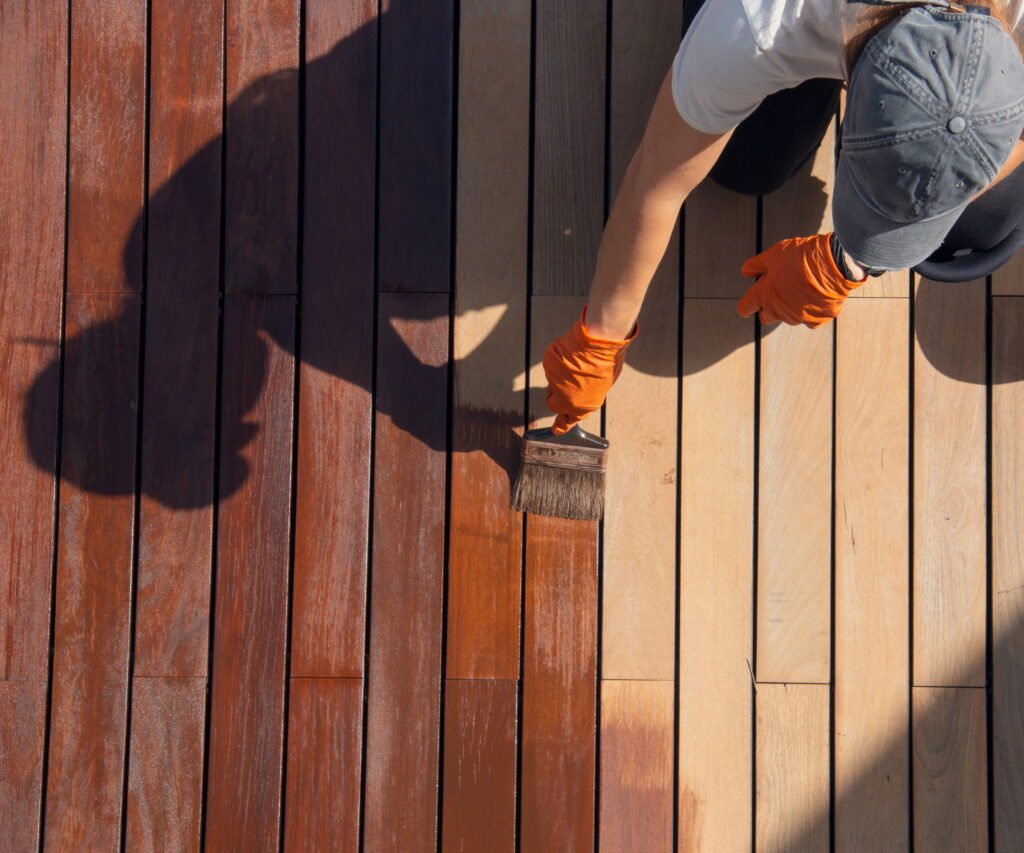
A deck spends its entire life outdoors, absorbing sun, rain, foot traffic, and temperature swings without much complaint until the finish starts to fade, peel, or wear thin, and suddenly what was once a beautiful outdoor space starts looking tired and neglected. Professional deck painting and staining restores that protective, attractive finish, extending your deck’s lifespan while bringing back the curb appeal it had on day one.
Why Deck Finishing Matters Beyond Appearance
It’s easy to think of deck painting purely as a cosmetic update, but the finish you choose plays a genuinely functional role in protecting the wood underneath. A quality finish shields deck boards from UV damage, moisture penetration, and the freeze-thaw cycles that cause wood to crack and warp over time. Working with professional deck painters who understand both the aesthetic and protective sides of the job helps ensure your deck looks great while actually holding up to years of outdoor exposure.
Deck Staining vs Painting
Understanding deck staining vs painting is one of the first decisions in any deck refinishing project, and each approach offers distinct advantages:
- Staining penetrates into the wood grain, allowing the natural texture and character of the wood to show through while still providing UV and moisture protection. Stains generally show wear more gradually and are typically easier to reapply as maintenance.
- Painting creates a solid, opaque color layer on the wood’s surface, offering a completely uniform look and the ability to choose virtually any color, though it fully conceals the wood grain and tends to require more prep work to reapply once it begins to peel or chip.
Neither option is inherently better; the right choice depends on whether you want to showcase the wood’s natural character or prefer a bold, uniform color statement.
Solid vs Semi-Transparent Deck Stain
Within staining, the solid vs semi-transparent deck stain decision further shapes the final look. Semi-transparent stains allow more of the wood grain to remain visible while still adding color and protection, making them popular for homeowners who want to enhance rather than hide their deck’s natural wood character. Solid stains offer more complete, opaque coverage similar to paint, while still penetrating the wood rather than sitting purely on the surface, a good middle ground for decks with less-than-perfect wood that benefit from more coverage.
Choosing the Right Deck Paint Color
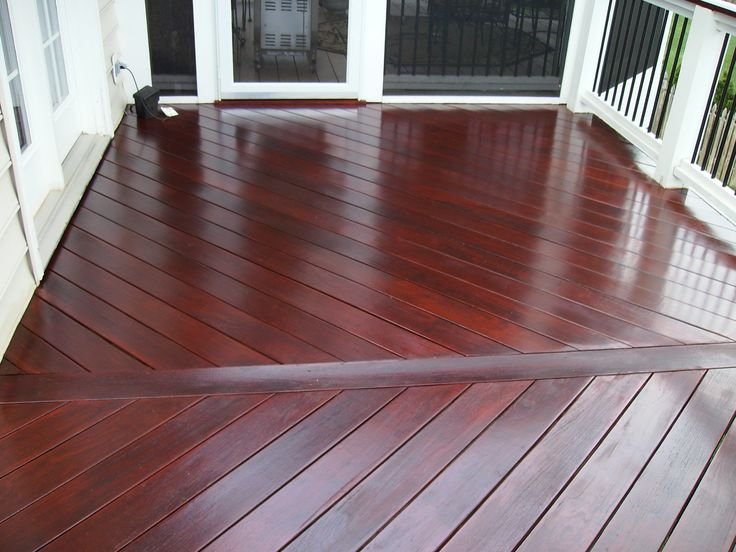
Deck paint color options have expanded well beyond traditional browns and reds in recent years. Rich charcoal grays and deep blacks have become popular for a contemporary look, while classic cedar and redwood tones remain reliable choices that complement most home exteriors. Choosing a color that coordinates with your home’s siding and trim helps create a cohesive overall exterior appearance rather than a deck that feels visually disconnected from the rest of the house.
Deck Cleaning and Pressure Washing Before Painting
Proper deck cleaning and pressure washing before painting is one of the most critical and most frequently rushed steps in the entire process. This step removes accumulated dirt, mildew, and any loose or peeling old finish that would otherwise prevent new paint or stain from adhering properly. Skipping thorough cleaning is one of the leading causes of premature finish failure, since new coatings simply can’t bond well to a dirty or contaminated surface.
Deck Sanding and Prep Work
Beyond cleaning, deck sanding and prep work address rough or splintered boards, help remove remaining traces of old finish, and create a smoother surface for new stain or paint to adhere to properly. This step also provides an opportunity to identify and address any damaged boards, popped nails, or other structural issues that should be resolved before applying a fresh finish.
Weatherproof Deck Paint
Quality weatherproof deck paint and stain products are specifically formulated to withstand direct sun exposure, moisture, and the temperature fluctuations decks experience throughout the year. Investing in a quality, weather-resistant product upfront typically extends the time between refinishing projects, offsetting the higher initial cost through reduced long-term maintenance frequency.
Deck Paint vs Sealant
It’s worth understanding deck paint vs sealant as related but distinct products. A clear sealant primarily provides moisture protection without adding significant color, essentially preserving the wood’s natural, unfinished appearance while still guarding against water damage. Paint and stain, by contrast, add color while also providing protective qualities. Some homeowners choose to apply a clear sealant over stained or painted decking as an additional protective layer, particularly in high-exposure areas.
Deck Railing Painting
Don’t overlook deck railing painting as part of your overall project. Railings often experience even more direct hand contact and weather exposure than the deck surface itself, making them prone to earlier wear. Coordinating railing color with the deck surface, whether matching or intentionally contrasting, creates a more finished, cohesive overall look rather than treating the railing as an afterthought.
Composite vs Wood Deck Painting
The composite vs wood deck painting distinction matters significantly for project planning. Traditional wood decking can be stained or painted using standard deck finishing products, while composite decking is manufactured with color already integrated and generally isn’t designed to be painted or stained in the same way. If you have a composite deck showing fading or wear, it’s worth consulting a professional about appropriate composite-specific restoration products rather than applying standard wood deck paint, which typically won’t adhere properly or perform as expected.
Best Time of Year to Paint a Deck
Timing genuinely matters for a lasting finish. The best time of year to paint a deck is generally during moderate temperatures with low humidity, avoiding both extreme heat and cold. Painting or staining in direct, intense sun can cause the product to dry too quickly and lead to uneven application, while cold or overly humid conditions can prevent proper curing. Spring and fall typically offer the most favorable conditions in most climates.
Deck Resurfacing and Painting
For decks with more significant wear, deep gouges, extensive splintering, or boards that have seen better days, deck resurfacing and painting may involve replacing individual damaged boards before applying a fresh finish, rather than painting directly over compromised wood. Addressing structural wear first ensures the new finish has a sound surface to adhere to and genuinely extends the deck’s overall usable life.
The Deck Painting Process
Understanding the general sequence helps set expectations for your project:
- Inspection and repair: Assessing the deck’s condition and addressing any damaged boards, popped nails, or structural issues.
- Cleaning: Thoroughly pressure-washing to remove dirt, mildew, and loose old finish.
- Sanding: Smoothing rough areas and helping remove remaining old finish where needed.
- Drying time: Allowing the deck to fully dry before applying any new product, since trapped moisture can compromise adhesion.
- Application: Applying stain, paint, or sealant according to product specifications, often in multiple coats.
- Curing: Allowing adequate cure time before resuming regular foot traffic and furniture placement.
Deck Painting Timeline
Deck painting timeline expectations depend on deck size, weather conditions, and the extent of prep work required. A straightforward refinishing project on a well-maintained deck might take two to three days, including drying time between coats, while a deck requiring extensive repair, sanding, or board replacement can take considerably longer.
Understanding Deck Paint Cost Estimate
A deck paint cost estimate depends on several factors:
- Deck size and total square footage
- Current condition and extent of necessary prep work or repairs
- Product selection, since premium weatherproof stains and paints cost more than basic products
- Whether railings and stairs are included in the scope
- Number of coats required for adequate coverage and protection
A trustworthy deck staining and painting service provider will offer a detailed, itemized estimate that separates prep work, materials, and labor.
Deck Painting Maintenance Tips
A few practical deck painting maintenance tips help extend the life of your finish:
- Sweep debris regularly to prevent buildup that can trap moisture against the finish
- Address any chips, cracks, or worn spots promptly before they spread
- Reapply a fresh coat according to the product manufacturer’s recommended schedule, typically every 1-3 years depending on the product and exposure level
- Avoid dragging heavy furniture across the surface, which can scratch through the finish over time
Deck Painting Warranty
A comprehensive deck painting warranty typically covers the durability of the applied finish for a specified period, protecting against premature peeling, cracking, or fading under normal conditions. Understanding what’s covered, and for how long, before committing to a contractor gives you real confidence in the longevity of your investment.
Choosing the Right Deck Painting Contractor
When searching for deck painting near me, look for:
- A portfolio showcasing quality prep work and finish results on similar deck types
- Proper attention to cleaning, sanding, and repair before any painting begins
- Transparent, itemized estimates
- Positive reviews mentioning long-term finish durability, not just initial appearance
- Knowledge of products suited specifically to your deck material and local climate
Final Thoughts
A well-maintained finish protects your deck’s structural integrity while keeping it looking genuinely inviting season after season. Whether you’re refreshing a faded stain, switching to a bold new paint color, or restoring a deck that’s seen years of weather exposure, working with an experienced deck painting contractor ensures proper prep work and a durable finish that holds up to real outdoor use. If you’re ready to refresh your deck, reach out to a trusted local deck painting contractor today for a consultation and a personalized estimate.
Frequently Asked Questions
Should I stain or paint my deck? It depends on your preference. Staining showcases the natural wood grain while still providing protection, while painting offers a uniform, opaque color but fully conceals the wood’s texture underneath.
How often does a deck need to be repainted or restained? Most decks benefit from refinishing every 1-3 years, depending on the product used, sun exposure, and overall traffic level, though quality weatherproof products can extend this interval.
Can I paint a composite deck? Generally, no. Composite decking is manufactured with integrated color and isn’t designed to be painted or stained the same way as wood. Consult a professional about composite-specific restoration options if yours is fading.
What’s the best time of year to paint or stain a deck? Moderate temperatures with low humidity, typically in spring or fall, provide the best conditions for proper application and curing.
Do I need to sand my deck before applying a new finish? In most cases, yes, especially if there’s existing peeling finish or rough, weathered wood. Sanding helps the new product adhere properly and creates a smoother overall surface.