Your home’s exterior takes a beating year-round: sun, rain, wind, and temperature swings all wear down paint over time, leaving surfaces faded, chipped, or peeling. Beyond curb appeal, a quality paint job actually protects your siding, trim, and structure from moisture damage and deterioration. Professional exterior painting combines both function and appearance, giving your home a fresh look while shielding it from the elements for years to come.
Why Professional Exterior Painting Matters
Exterior painting involves more variables than interior work; weather conditions, surface materials, and height all add complexity that makes hiring professional exterior painters a smart investment. A quality exterior paint job requires:
- Proper surface preparation to ensure paint adheres and lasts
- Weather-appropriate timing and application techniques
- Safe, correct equipment for multi-story homes
- Knowledge of which products perform best on specific siding materials
Cutting corners on any of these steps often means a paint job that looks fine initially but fails prematurely, peeling, cracking, or fading well before it should.
Power Washing Before Painting: The Critical First Step
Power washing before painting removes years of accumulated dirt, mildew, chalking paint residue, and grime that would otherwise prevent new paint from adhering properly. This step is essential regardless of siding material, since even a small amount of surface contamination can cause peeling or uneven coverage down the line. Professional painters typically allow adequate drying time after washing before beginning any prep or painting work.
Peeling Paint Repair and Prep Work
Beyond washing, peeling paint repair and prep work addresses areas where old paint has already begun failing. This typically involves scraping loose or peeling paint, sanding rough edges smooth, and applying primer to bare or repaired areas before new paint goes on. Skipping this step is one of the most common reasons exterior paint jobs fail prematurely, since new paint applied over unstable old paint will simply peel again along with it.
Siding Materials: What You Need to Know
Different exterior materials require different painting approaches.
Wood siding vs vinyl siding painting comes up frequently, since the two materials behave very differently. Wood siding is porous and requires proper priming to prevent moisture absorption, along with attention to any rot or damage before painting. Vinyl siding, while durable, requires specific paint formulated to flex with temperature changes and avoid the warping that can occur with the wrong product.
Stucco painting services address yet another surface entirely; stucco’s textured surface requires paint formulated to handle its porosity and shouldn’t be treated the same as smooth siding, both in terms of product selection and application technique.
Choosing Weather-Resistant Exterior Paint
Not all exterior paints are created equal. Weather-resistant exterior paint is formulated specifically to withstand UV exposure, temperature fluctuations, and moisture all factors that cause standard paint to fade, crack, or peel prematurely outdoors. Investing in quality, weather-resistant products upfront typically extends the time between repaints significantly, offsetting the higher initial cost over the life of the paint job.
Weatherproofing and Sealing Paint
Beyond color and appearance, weatherproofing and sealing paint plays a functional role in protecting your home’s structure. Quality exterior paint acts as a barrier against moisture intrusion, which helps prevent wood rot, mold growth, and other damage that can compromise your siding and the structure beneath it over time.
Trim, Shutters, and Detail Work
Exterior trim and shutter painting often gets overlooked but plays a significant role in a home’s overall appearance. Crisp, well-maintained trim and shutters frame windows and doors, creating contrast and definition against the main siding color. These details also tend to wear faster than large siding surfaces, since trim often has more exposed edges and joints where moisture can penetrate.
Deck and Fence Staining
Exterior wood surfaces beyond siding also benefit from regular attention. Deck and fence staining protects wood from sun and moisture damage while enhancing its natural grain, and typically needs refreshing more frequently than house siding due to constant weather and foot-traffic exposure. Many exterior painting companies offer this as a complementary service alongside full house painting.
Exterior Paint Color Consultation
Choosing exterior colors involves different considerations than interior spaces; think neighborhood context, architectural style, and how colors will look in full sunlight versus shade throughout the day. An exterior paint color consultation helps homeowners select combinations for siding, trim, and accents that complement the home’s architecture while still standing out appropriately within the surrounding neighborhood.
Best Time of Year to Paint Exterior
Timing matters significantly for exterior work. The best time of year to paint exterior surfaces is generally during moderate temperatures with low humidity, often spring or fall in most climates, since paint needs stable conditions to cure properly. Painting in extreme heat can cause paint to dry too quickly and lead to poor adhesion, while cold or overly humid conditions can prevent proper curing altogether.
Multi-Story House Painting: Safety and Equipment
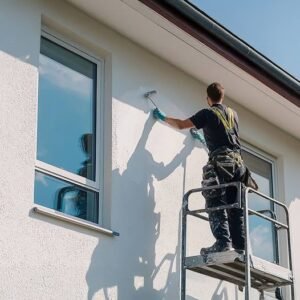
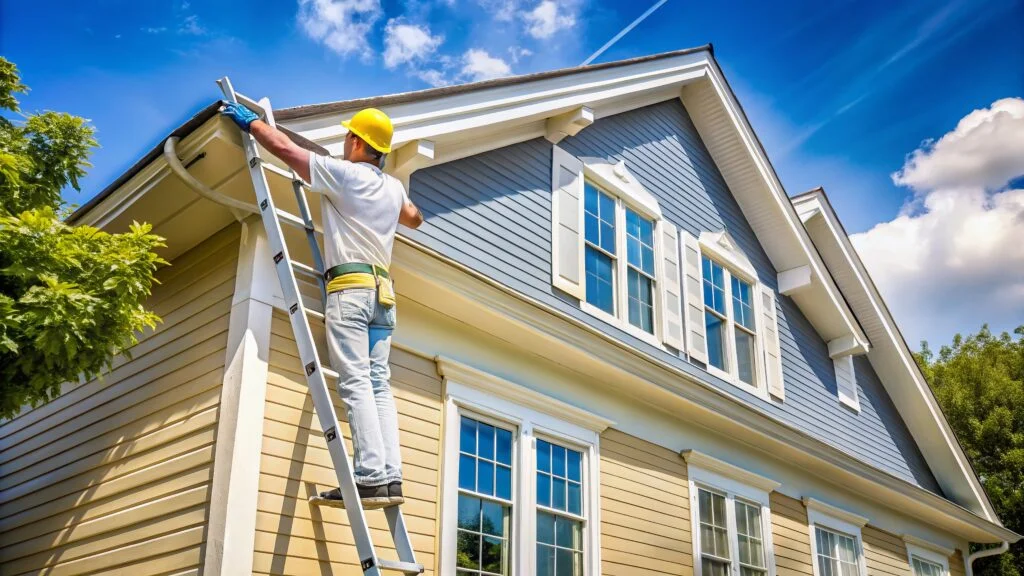
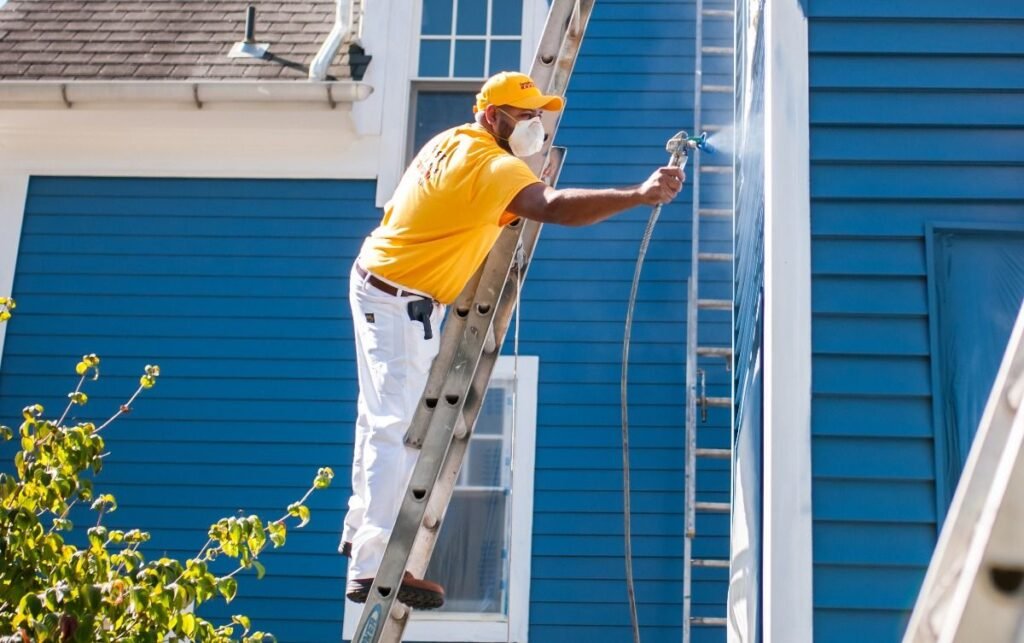
Multi-story house painting introduces safety considerations that single-story homes don’t require. Professional painters use proper ladders, scaffolding, or lift equipment rated for the specific height and reach needed, along with safety harnesses where appropriate. This is an area where hiring professionals matters significantly; attempting multi-story exterior painting without proper equipment poses serious fall risks that simply aren’t worth taking on as a DIY project.
Commercial Exterior Painting
Commercial exterior painting carries its own set of priorities, often emphasizing durability and low-maintenance finishes capable of withstanding higher levels of wear, along with coordination around business hours to minimize disruption to operations or customers. Commercial projects may also involve larger surface areas or more complex facades, requiring more extensive planning and crew coordination than typical residential jobs.
Understanding Exterior Painting Cost
Exterior painting cost per square foot depends on several factors:
- Home size and number of stories
- Siding material and its specific prep requirements
- Amount of peeling paint repair or surface damage needing attention
- Paint quality selected, since higher-grade weather-resistant products cost more upfront
- Whether trim, shutters, and additional details are included in the scope
A trustworthy exterior painting contractor will provide a detailed, itemized estimate that clarifies exactly what’s included, from power washing to final touch-ups.
Exterior Painting Timeline
Exterior painting timeline expectations depend on home size and weather conditions during the project. A typical single-family home might take three to five days, including prep, priming, and multiple coats, while larger homes or unfavorable weather can extend the timeline. Professional painters plan around forecasted weather to avoid painting during rain or extreme temperature swings that could compromise the finish.
Choosing the Right Exterior Painting Contractor
When searching for exterior painting services, look for:
- Experience with your specific siding material
- Proper safety equipment and training for multi-story work
- Positive reviews mentioning prep work quality and attention to detail
- Transparent, itemized estimates
- Clear communication about weather-related scheduling adjustments
Final Thoughts
Your home’s exterior paint does more than boost curb appeal; it’s a functional layer of protection against sun, moisture, and everyday wear. Whether you’re refreshing faded siding, repairing peeling trim, or tackling a full multi-story repaint, professional exterior painting ensures a lasting, weather-resistant finish that protects your investment for years to come.
Ready to refresh your home’s exterior? Reach out to a trusted local exterior painting contractor for a consultation and a personalized estimate.
Frequently Asked Questions
How often should I repaint my home’s exterior? Most homes benefit from repainting every 5-10 years, though this varies based on siding material, climate exposure, and paint quality used in the previous job.
What’s the best time of year to paint a house exterior? Moderate temperatures with low humidity, typically in spring or fall, provide the best conditions for proper paint adhesion and curing.
Do I need to power wash before painting? Yes, power washing removes dirt, mildew, and residue that would otherwise prevent new paint from adhering properly, and is a standard first step in most professional exterior painting projects.
How much does exterior painting typically cost? Cost depends on home size, siding material, and the amount of prep work needed. Getting itemized quotes from a few contractors helps clarify realistic pricing for your specific home.
Is it safe to paint a multi-story home myself? It carries significant fall risk without proper equipment and training, which is why most homeowners hire professional painters equipped with appropriate ladders, scaffolding, or lift equipment for taller homes.