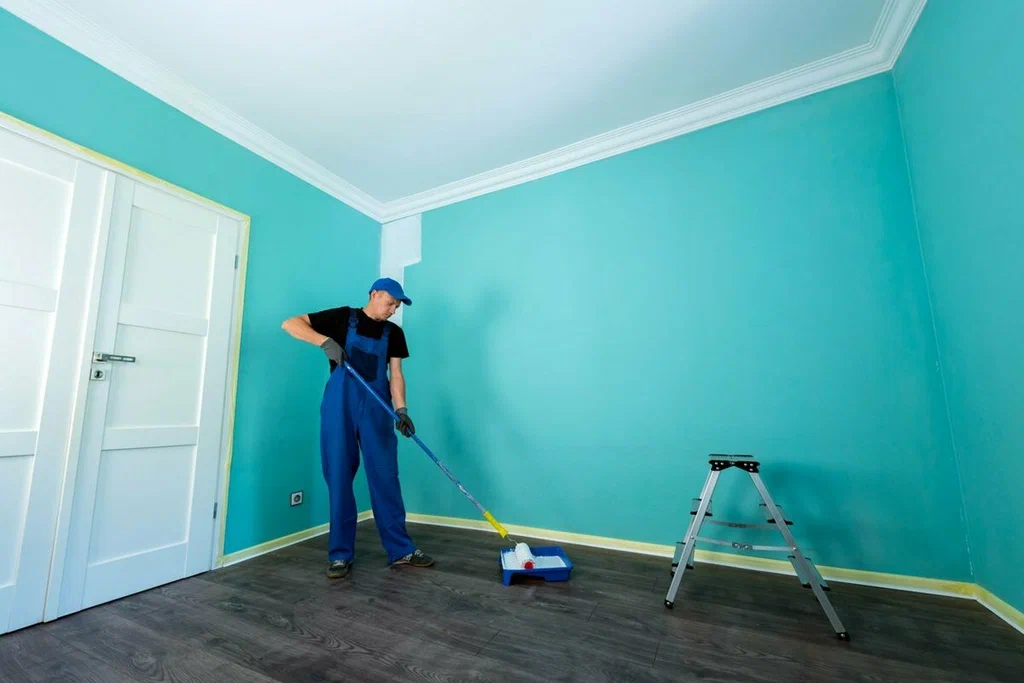
Few home updates deliver as much visual impact for the investment as a fresh coat of paint. Interior painting can transform a tired, outdated room into a bright, cohesive space in just a day or two no demolition, no major disruption, just a completely refreshed look. But the difference between a professional finish and a DIY job is often more noticeable than homeowners expect, especially once you factor in prep work, precise lines, and even coverage. That’s where hiring professional interior painters makes all the difference.
Why Professional Interior Painting Beats DIY
It’s tempting to think painting is a simple weekend project, but the interior painting vs DIY comparison reveals some important differences. Professional painters bring:
- Proper surface preparation, which affects how well paint adheres and how long it lasts
- Experience achieving clean, straight lines around trim, ceilings, and corners
- Knowledge of which products and finishes work best for specific rooms and surfaces
- Efficient project timelines, often completing in days what might take a homeowner weeks of weekends
- Professional-grade equipment for even coverage without streaks or roller marks
For smaller touch-ups, DIY can absolutely work. But for whole-room or whole-home projects, a professional interior painting contractor typically delivers a more polished, longer-lasting result.
What’s Included in Professional Interior Painting
A full-service interior painting services near me provider typically covers more than just rolling paint onto walls. Common services include:
- Wall painting and prep work: cleaning, patching, sanding, and priming surfaces before any paint goes on
- Ceiling painting services: a task many DIYers avoid due to the awkward angles and the flat, unforgiving finish typically used
- Trim and molding painting: crisp, clean lines along baseboards, door frames, and window casings
- Cabinet painting and refinishing: updating kitchen or bathroom cabinetry without the cost of full replacement
- Popcorn ceiling removal and painting: removing dated textured ceilings and finishing with a smooth, modern surface
The Importance of Prep Work
The single biggest factor separating a great paint job from a mediocre one often isn’t the paint itself; it’s the preparation beforehand. Wall painting and prep work typically includes cleaning surfaces to remove dust and grease, filling nail holes and minor imperfections, and sanding rough patches smooth.
Drywall repair before painting addresses larger issues cracks, dents, or water stains that need proper repair before paint can create a smooth, even finish. Skipping this step often means those imperfections show right through even multiple coats of fresh paint.
Choosing the Right Paint Finish
Not all paint finishes perform the same way, and choosing correctly makes a noticeable difference in both appearance and durability. Common best paint finishes for interior walls include:
- Flat/matte hides imperfections well, ideal for ceilings and low-traffic areas
- Eggshell a soft sheen with easy cleanability, popular for living rooms and bedrooms
- Satin: slightly more sheen and durability, well-suited for hallways and kids’ rooms
- Semi-gloss: highly durable and washable, commonly used for trim, doors, and bathrooms
- Gloss: the most durable and reflective option, often reserved for cabinetry and high-detail trim work
A knowledgeable painting contractor can recommend the right finish for each specific room based on traffic level and moisture exposure.
Cabinet Painting and Refinishing: A Budget-Friendly Update
Full cabinet replacement is one of the more expensive parts of a kitchen renovation, which makes cabinet painting and refinishing an appealing alternative. This process typically involves thorough cleaning, sanding or deglossing, priming, and multiple coats of a durable finish designed to withstand daily use, giving cabinets a completely updated look without the cost or disruption of full replacement.
Interior Paint Color Consultation
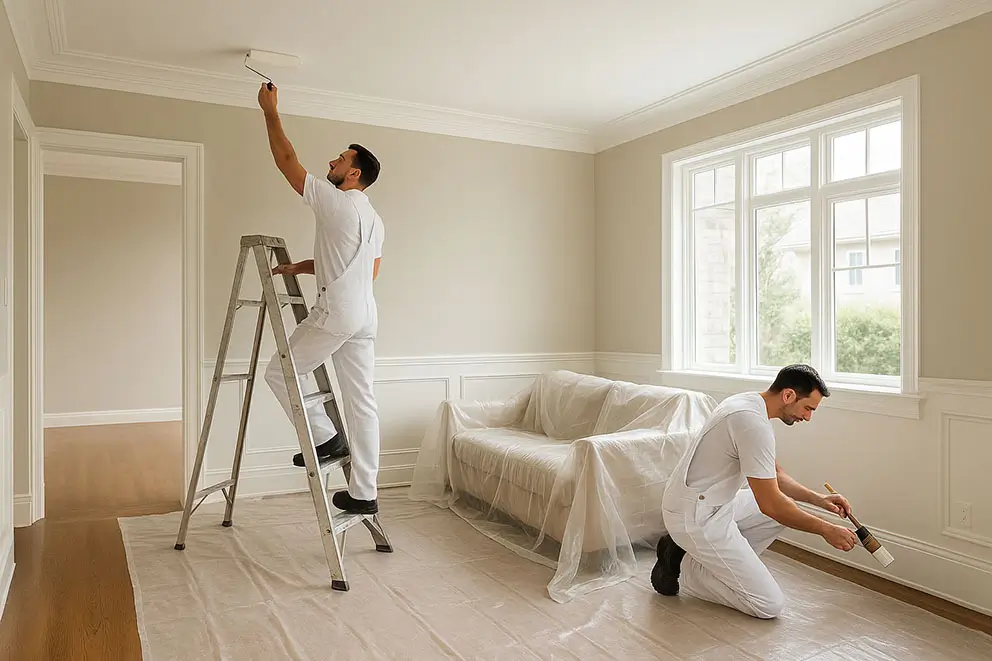
Choosing the right color can feel overwhelming with thousands of options available. Many professional painters offer an interior paint color consultation, helping homeowners select colors that work well with existing lighting, flooring, and furnishings, and avoiding the common pitfall of a color that looks completely different on the wall than it did on the small paint chip.
Accent Wall Painting Ideas
For homeowners wanting visual interest without committing to a full-room color change, accent wall painting ideas offer a popular middle ground. A single bold or contrasting wall can define a space, highlight architectural features, or add personality to an otherwise neutral room, all while keeping the overall footprint of the project (and cost) relatively small.
Low-VOC and Eco-Friendly Paint Options
Indoor air quality has become an increasing priority for many homeowners. Low-VOC and eco-friendly paint options significantly reduce the off-gassing and strong odor associated with traditional paints, making them a popular choice for bedrooms, nurseries, and homes with sensitivities to strong chemical smells. Quality has improved significantly in this category, meaning eco-friendly options no longer require a meaningful trade-off in durability or finish.
Interior Painting for Home Staging
Preparing to sell? Painting for home staging is one of the most cost-effective updates for maximizing a home’s appeal to potential buyers. Neutral, updated colors help buyers picture themselves in the space and can make rooms feel larger, brighter, and better maintained, often delivering one of the strongest returns on investment among pre-sale improvements.
Multi-Room Painting Packages
For homeowners tackling several rooms at once, multi-room painting packages often provide better value than booking rooms individually, since painters can move efficiently between spaces without repeated setup and teardown. This approach works particularly well for whole-home refreshes or preparing a property for sale.
Understanding Interior Painting Cost
Interior painting cost per square foot depends on several factors:
- Room size and ceiling height
- Amount of prep work needed, including drywall repair or popcorn ceiling removal
- Paint quality and finish type selected
- Number of coats required, especially when covering a dark color with a lighter one
- Whether trim, ceilings, and cabinets are included in the scope
A transparent painting contractor will provide a detailed, itemized estimate rather than a rough, generic quote, so you understand exactly what’s included.
Interior Painting Timeline
Interior painting timeline expectations vary by project scope. A single room typically takes one to two days, including prep and drying time between coats, while a whole-home project can take a week or more depending on square footage and the amount of surface preparation required.
Choosing the Right Interior Painting Contractor
When searching for house interior painting services, look for:
- A strong portfolio of completed projects
- Proper licensing and insurance
- Positive reviews specifically mentioning cleanliness, prep work quality, and attention to detail
- Transparent, itemized estimates
- Clear communication about paint brand, finish options, and timeline
Final Thoughts
A fresh coat of paint remains one of the most impactful, budget-friendly ways to transform a home, whether you’re refreshing a single accent wall or repainting an entire property before a sale. With proper prep work, the right finish, and an experienced interior painting contractor, your space can go from tired to flawless in just a matter of days.
Ready to refresh your space? Reach out to a trusted local interior painting contractor for a consultation and a personalized estimate.
Frequently Asked Questions
How much does interior painting typically cost? Cost depends on room size, prep work needed, and paint quality selected. Getting itemized quotes from a few contractors helps you understand realistic pricing for your specific project.
How long does it take to paint a room professionally? Most single rooms take one to two days, including prep, drying time between coats, and cleanup, though larger or more complex rooms may take longer.
What paint finish is best for high-traffic areas? Satin or semi-gloss finishes tend to hold up best in high-traffic areas like hallways, kitchens, and bathrooms, since they’re more durable and easier to clean than flat or matte finishes.
Is it worth painting before selling my home? Yes, fresh, neutral paint is one of the most cost-effective updates for improving buyer appeal and is frequently recommended as part of home staging preparation.
Do I need to repair drywall before painting? Any significant cracks, dents, or water stains should be repaired before painting, since these imperfections typically show through even multiple coats of fresh paint.